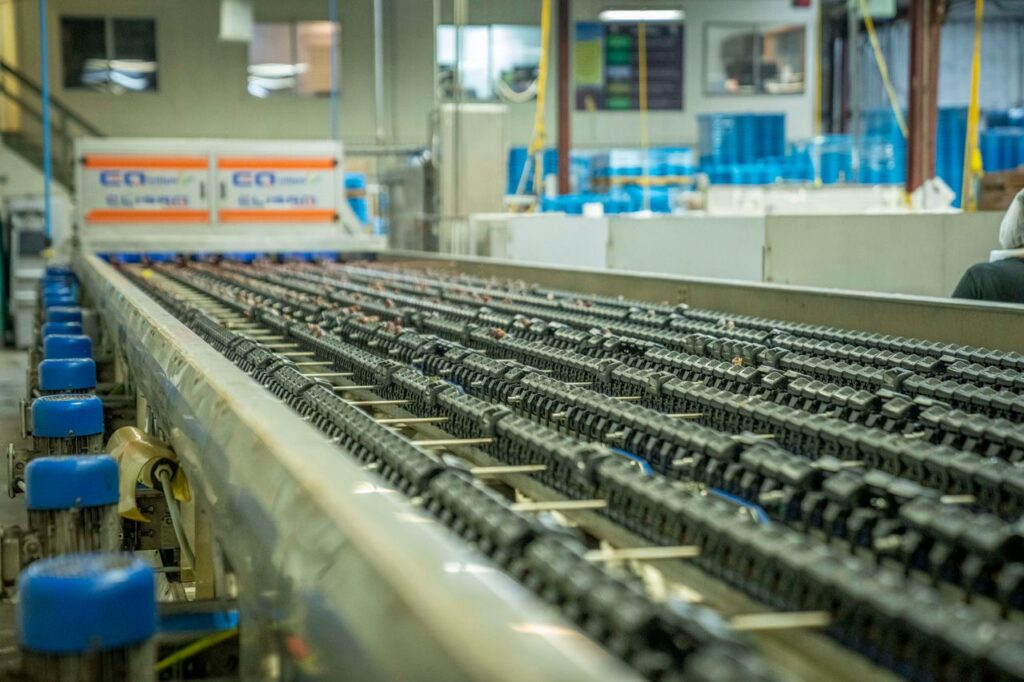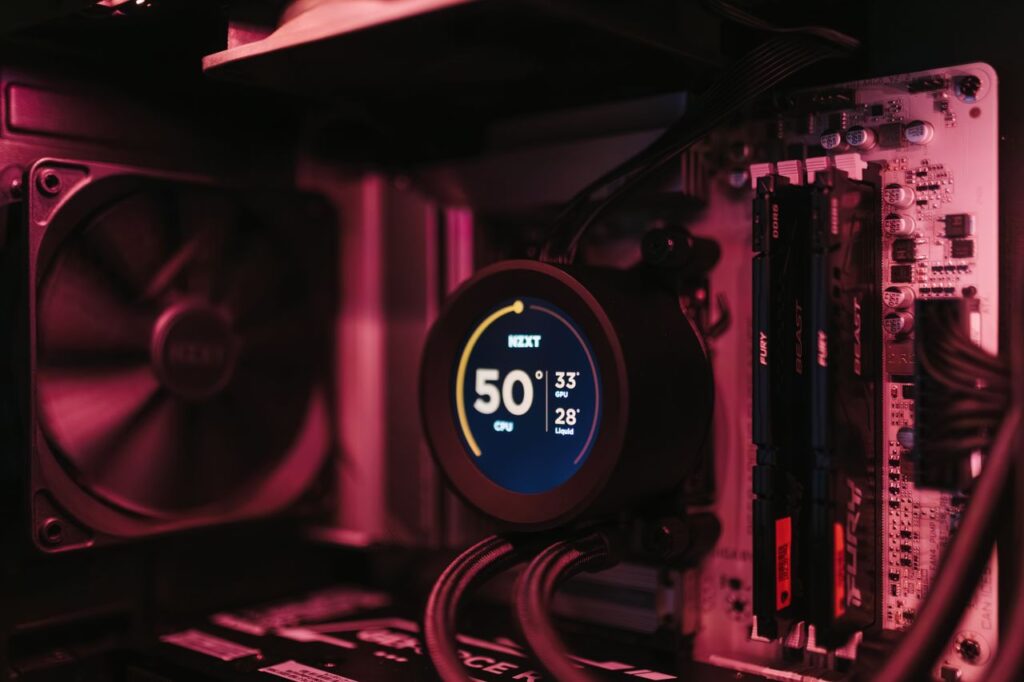
A digital twin is a virtual representation of a physical machine that continuously receives real-world operating data through sensors.
What Is a Digital Twin?
Rather than being a simple 3D model, it mirrors how equipment behaves under real operating conditions.
Predicting Failures Before They Happen
Traditional maintenance follows either fixed schedules or reacts after equipment fails.
Digital twins continuously analyse vibration, temperature, pressure, power consumption, and other operating metrics to identify early warning signs that humans might overlook.
This allows maintenance teams to repair equipment before failures cause expensive downtime.
Improving Engineering Decisions
Engineers can test modifications in the digital model before making physical changes.
This reduces development time, lowers costs, and helps optimise production processes without disrupting manufacturing.
Industries Leading Adoption
Digital twins are becoming increasingly common in aerospace, automotive manufacturing, energy generation, pharmaceutical production, and advanced robotics.
As industrial IoT systems become more affordable, smaller manufacturers are beginning to adopt the technology as well.
The Future of Smart Manufacturing
Digital twins are helping manufacturers move from reactive maintenance to predictive engineering.
As artificial intelligence continues to improve fault detection and operational modelling, digital twins are likely to become a standard part of modern industrial engineering, delivering higher efficiency, lower maintenance costs, and improved equipment reliability.