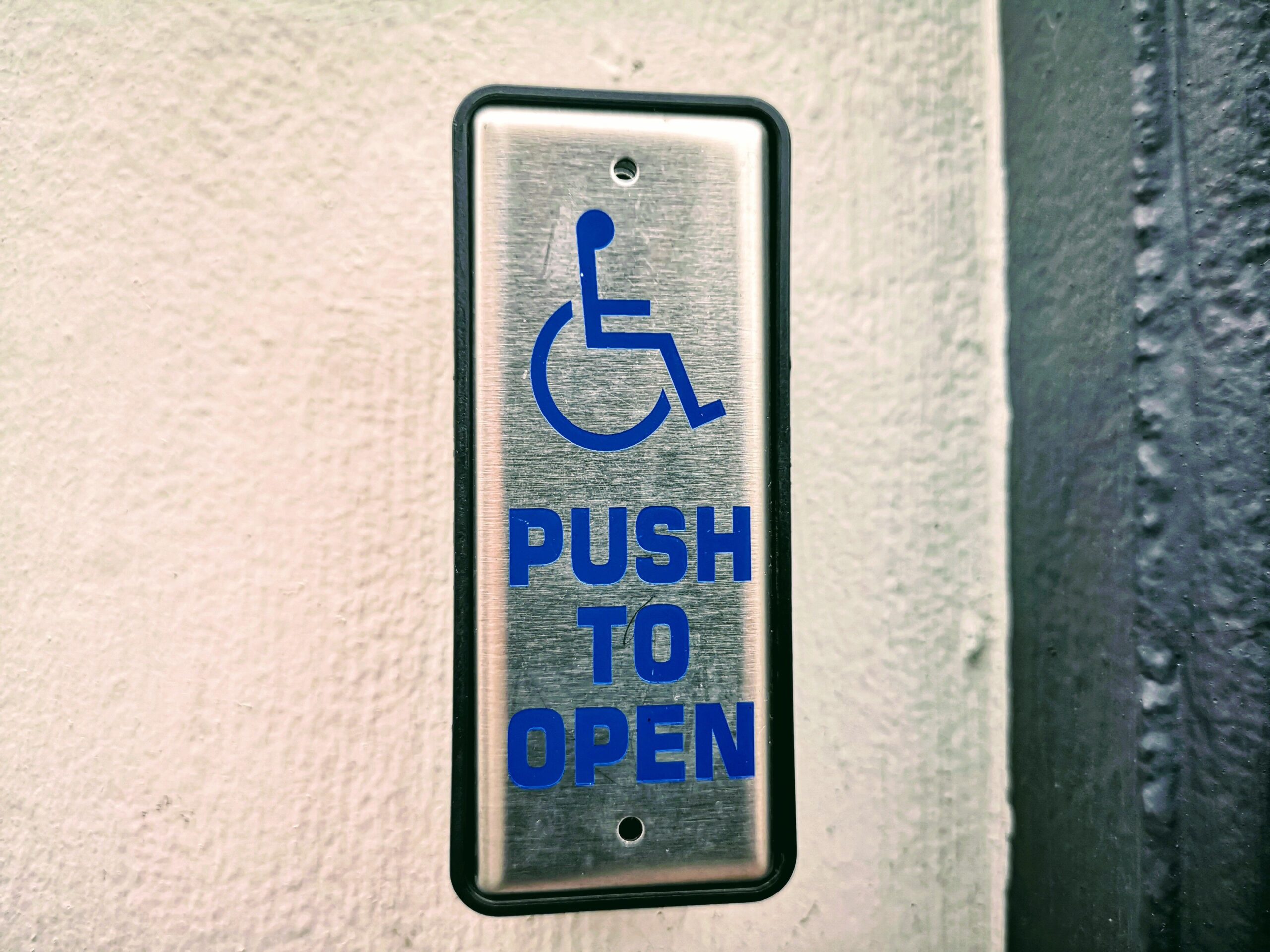
We often talk about good design as if it were mostly about looks: clean lines, clever storage, a tidy interface. But in everyday life, it comes down to whether something can be used comfortably, safely and without hassle. A door handle, ticket machine or home computer setup might feel easy for one person and draining for another, depending on how it has been designed.
That is why accessibility works best when it is considered early, not added later. In homes, schools and workplaces, small design choices can have a big effect on independence. For someone with limited dexterity, reduced vision or changing mobility, the right setup can mean the difference between asking for help and managing the day alone.
This is where assistive technology products enter the conversation in a practical way. They are not niche gadgets brought out for special cases. They are tools that help people use everyday spaces and systems more easily. Seen clearly, they belong in the wider story of thoughtful design, alongside step-free access, readable signage and decent lighting.
Accessibility is ordinary life
What often gets missed is how often these decisions help more than the intended user. Features designed for accessibility often prove useful to older adults, people recovering from injury, those working in demanding environments, and anyone who values clear, reliable equipment.
- Better usability reduces frustration for everyone.
- Inclusive spaces are easier to navigate and maintain.
- Planning early is usually cheaper than retrofitting.
The point is simple: accessibility is not a specialist extra. It is part of making ordinary life work. Treat it as a normal expectation of design, not a late concession, and the result is products and places that work better for all of us.
Photo George Marina via Pexels.