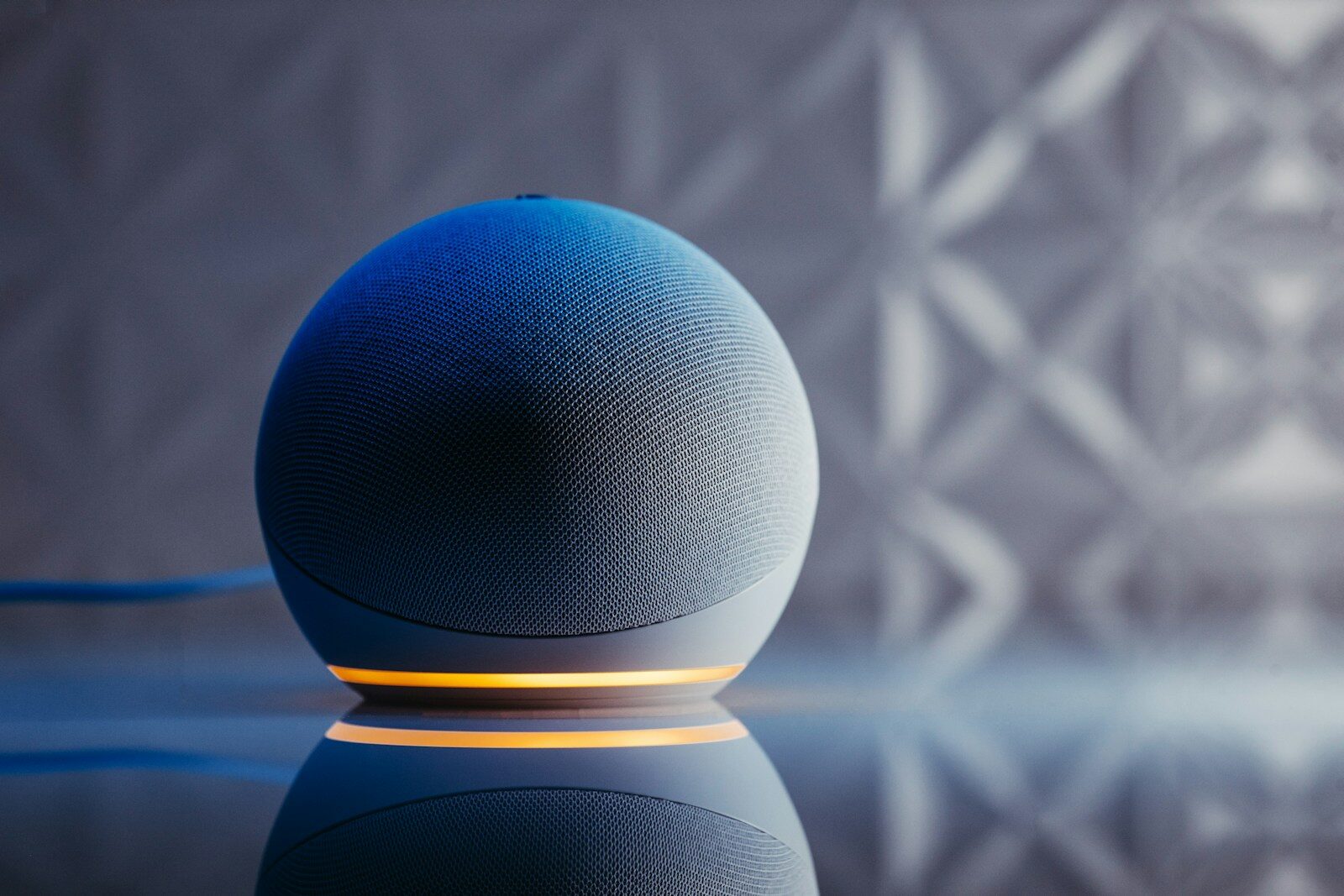
Technology has gradually moved beyond our phones, computers and televisions to become part of the everyday environment around us. From lighting that responds to voice commands to heating systems that learn household routines, smart home gadgets are changing how people interact with their living spaces. What once seemed like something from a science-fiction film is now increasingly affordable and accessible, with connected devices offering convenience, efficiency and greater control over domestic life.
The appeal isn’t simply about having the latest technology. It’s about making everyday tasks easier, reducing unnecessary energy consumption and creating a home that can adapt to the people living in it.
Lighting, Heating and the Connected Home
Smart lighting is one of the easiest ways to start exploring home automation. Instead of relying on traditional switches, connected bulbs and lighting systems can be controlled through smartphone apps, wireless controllers or voice assistants. Users can adjust brightness, change colours and programme schedules without needing to walk across the room.
Some systems can even respond to movement or changing natural light levels, making them particularly useful in hallways, kitchens and outdoor spaces. For gadget enthusiasts, the ability to create different lighting scenes for gaming, watching films or entertaining guests is an added attraction.
Heating technology has also become considerably more sophisticated. Smart thermostats can learn when occupants are typically at home, adjust temperatures according to schedules and allow users to control heating remotely. Some systems use individual room sensors to avoid wasting energy heating spaces that aren’t being used.
These gadgets demonstrate how connected technology can offer practical benefits rather than simply adding another novelty to the home.
Security Gadgets That Offer Greater Control
Home security has become another major area of innovation. Smart doorbells, wireless cameras, motion detectors and connected alarm systems allow homeowners to monitor their properties through their smartphones.
A video doorbell, for example, can send an alert when somebody approaches the front door, allowing the homeowner to see and communicate with visitors even when they’re away. Meanwhile, indoor and outdoor cameras can provide live footage, motion notifications and recorded video, depending on the system.
The latest devices increasingly incorporate artificial intelligence to distinguish between different types of movement, helping reduce unnecessary alerts. Some can recognise familiar faces, identify vehicles or detect activity in specific areas.
However, connected security devices also introduce privacy considerations. Strong passwords, two-factor authentication and regular software updates are important for protecting cameras and other internet-connected equipment from unauthorised access.
Making Different Gadgets Work Together
One of the biggest challenges when building a smart home is getting different devices to communicate with one another. Products from different manufacturers don’t always work seamlessly together, which can make choosing compatible equipment important.
Standards such as Matter are helping address this issue by improving interoperability between supported smart home products. This means consumers have greater flexibility when choosing devices without necessarily committing to a single manufacturer’s ecosystem.
Automation is where things become particularly interesting. A single command could dim the lights, adjust the heating and switch on the television. Alternatively, a smart home routine could turn off selected appliances when everyone leaves the property.
The possibilities depend on the equipment, software and compatibility available, but even relatively simple automations can make a noticeable difference.
Is a Fully Connected Home Worth the Investment?
Not every household needs dozens of smart devices. In fact, starting with a few carefully chosen gadgets is often a better approach than investing in an entire collection of connected products straight away.
Smart lighting, heating controls and security devices tend to offer some of the most practical starting points. Once these are established, additional equipment can be introduced as requirements change.
The smart home isn’t really about filling every room with technology. It’s about choosing gadgets that solve everyday problems and work together effectively. As connected devices become more sophisticated, the distinction between traditional household equipment and smart technology is likely to become increasingly difficult to spot.
Photo by Jonathan Borba.