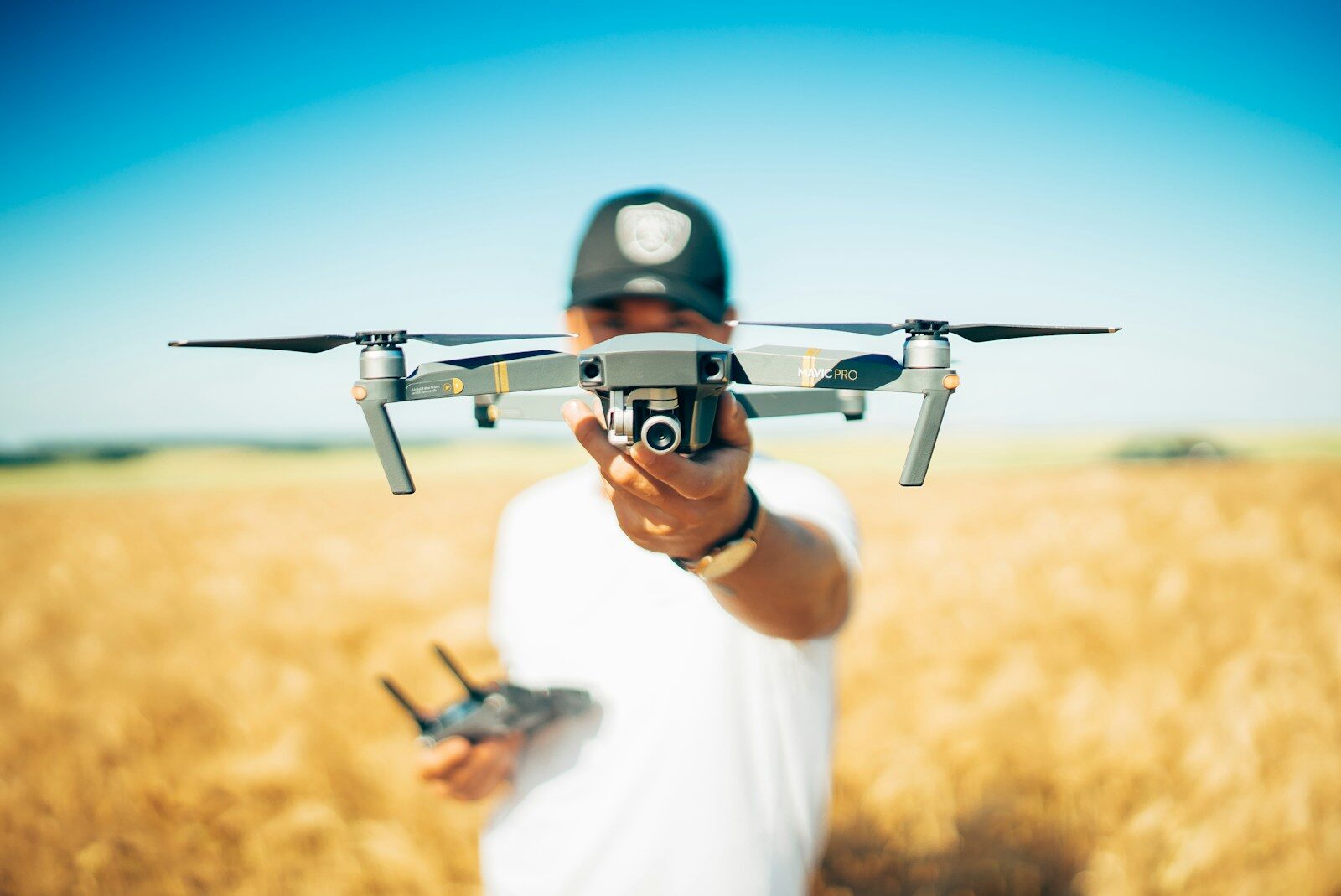
Drones have come a long way from being little more than remote-controlled toys. Today’s unmanned aerial vehicles (UAVs) are sophisticated pieces of technology, equipped with high-resolution cameras, GPS navigation, obstacle avoidance systems and increasingly advanced autonomous flight capabilities. Whether you’re a technology enthusiast experimenting with aerial photography, a gadget lover exploring the latest drone innovations or a hobbyist building your own custom flying machine, there’s plenty to get excited about.
However, as drone technology becomes more accessible and capable, it’s worth thinking about what happens when something goes wrong. UAV Insurance is an important consideration for anyone who owns or operates a drone, particularly as these devices become more expensive and are used in increasingly varied environments.
Modern Drones Are More Than Just Flying Gadgets
The technology packed into a modern drone is impressive. Even relatively compact consumer models can feature stabilised 4K cameras, intelligent flight modes, real-time video transmission and sensors designed to help avoid obstacles. More advanced models incorporate thermal imaging, sophisticated mapping software and automated flight planning.
For gadget enthusiasts, part of the appeal is discovering what these capabilities can achieve. A drone can capture landscapes from entirely new perspectives, inspect hard-to-reach areas, create aerial footage or provide an interesting platform for experimenting with robotics and electronics.
But all that technology comes at a price. A high-end drone, additional batteries, specialist cameras and accessories can represent a considerable investment. An unexpected collision, technical failure or hard landing could result in expensive repairs or the need for a replacement.
There’s also the possibility of damage extending beyond the drone itself. A malfunction during flight could cause injury to someone nearby or damage a vehicle, building or other property.
Understanding What UAV Insurance Can Cover
Insurance for unmanned aerial vehicles is designed to address some of the risks associated with owning and operating drones. The precise protection available depends on the policy, but cover can include several important areas.
These may include:
- Public liability: Protection against claims if a drone causes injury to another person or damages someone else’s property.
- Accidental damage: Cover for unexpected damage to the drone itself, depending on the policy.
- Theft and loss: Protection against certain circumstances involving theft or loss of equipment.
- Equipment and accessories: Cover for additional components such as cameras, controllers and specialist attachments, where included.
For anyone who has invested in a sophisticated piece of flying technology, understanding these options is worthwhile. A basic consumer drone and a professionally equipped UAV used for commercial photography have very different requirements, so it’s important to consider how and where the equipment will be used.
Smart Technology Doesn’t Eliminate Every Risk
One of the biggest attractions of modern drones is their ability to handle many aspects of flight automatically. GPS positioning, return-to-home functions and obstacle detection have made flying considerably more accessible, even for people without extensive experience.
However, automated systems aren’t infallible. GPS signals can become unreliable, sensors may struggle in certain lighting conditions and unexpected weather can affect flight stability. Battery performance is another consideration, particularly when flying in cold conditions or operating a drone over longer distances.
Software updates and increasingly sophisticated onboard systems also introduce new things for owners to understand. Keeping firmware current, checking battery health and familiarising yourself with the manufacturer’s safety recommendations can all help reduce avoidable problems.
Insurance provides another layer of protection, but it shouldn’t replace sensible operating practices. Understanding local drone regulations, maintaining equipment and choosing appropriate flying locations remain essential.
Choosing the Right Protection for Your Drone Setup
Not every drone owner needs the same level of insurance. Someone using a lightweight recreational drone at weekends will have different priorities from a professional operator using expensive equipment for surveying, inspections or commercial filming.
Before choosing a policy, consider the value of your equipment, the environments in which you fly and whether you use your drone for personal or business purposes. Check exclusions carefully, particularly those relating to unattended equipment, geographical restrictions, flying conditions and permitted uses.
It’s also worth remembering that insurance requirements can differ depending on the type of drone and its intended operation. In the UK, operators should familiarise themselves with Civil Aviation Authority (CAA) rules, including registration and competency requirements where applicable. Commercial operators should pay particular attention to any insurance obligations associated with their activities.
The Future of Flying Technology
Drone technology is continuing to develop, with applications extending into agriculture, construction, environmental monitoring, delivery services and emergency response. Improvements in battery technology, artificial intelligence and autonomous navigation are likely to make UAVs even more capable over the coming years.
For technology enthusiasts, this creates plenty of opportunities to explore new gadgets and applications. But as drones become more advanced, understanding the responsibilities that come with operating them becomes just as important as knowing how to get the most out of their features.
Whether you’re flying a compact camera drone or investing in a sophisticated professional UAV, protecting your equipment and considering the risks involved makes good sense. After all, the best technology experiences are the ones you can enjoy with confidence, knowing you’ve thought about what might happen when things don’t quite go to plan.
Photo by david henrichs.