Wearable technology has developed considerably since the arrival of the first popular fitness trackers. What started as a convenient way to count daily steps has evolved into a sophisticated collection of devices capable of monitoring activity, analysing sleep patterns and providing insights into personal performance. Smartwatches and fitness bands are now familiar accessories, but the technology behind them is becoming increasingly interesting.
For gadget enthusiasts, wearable tech offers an appealing combination of compact engineering, sensors, software and everyday practicality. These devices are effectively miniature computers, designed to collect information and present it in a way that can help people understand their routines and habits.
The Sensors Behind Modern Wearables
A modern smartwatch contains an impressive range of miniature components. Optical sensors can estimate heart rate by detecting changes in blood flow beneath the skin, while accelerometers and gyroscopes measure movement and orientation.
Some devices also incorporate GPS receivers, skin temperature sensors and electrical sensors capable of recording a single-lead electrocardiogram (ECG), where supported.
Combining these technologies allows wearables to provide considerably more information than a simple step counter. Depending on the model, users might be able to track:
- Daily movement, including steps, distance and active minutes.
- Heart rate during exercise and periods of rest.
- Sleep duration and estimated sleep stages.
- Workout intensity and recovery trends.
- Changes in skin temperature and other selected measurements.
The sophistication of these features varies between manufacturers, and measurements from consumer wearables should not automatically be treated as medical diagnoses. Nevertheless, the ability to observe patterns over time is one of the technology’s biggest attractions.
Smart Rings: A Different Approach to Wearable Tech
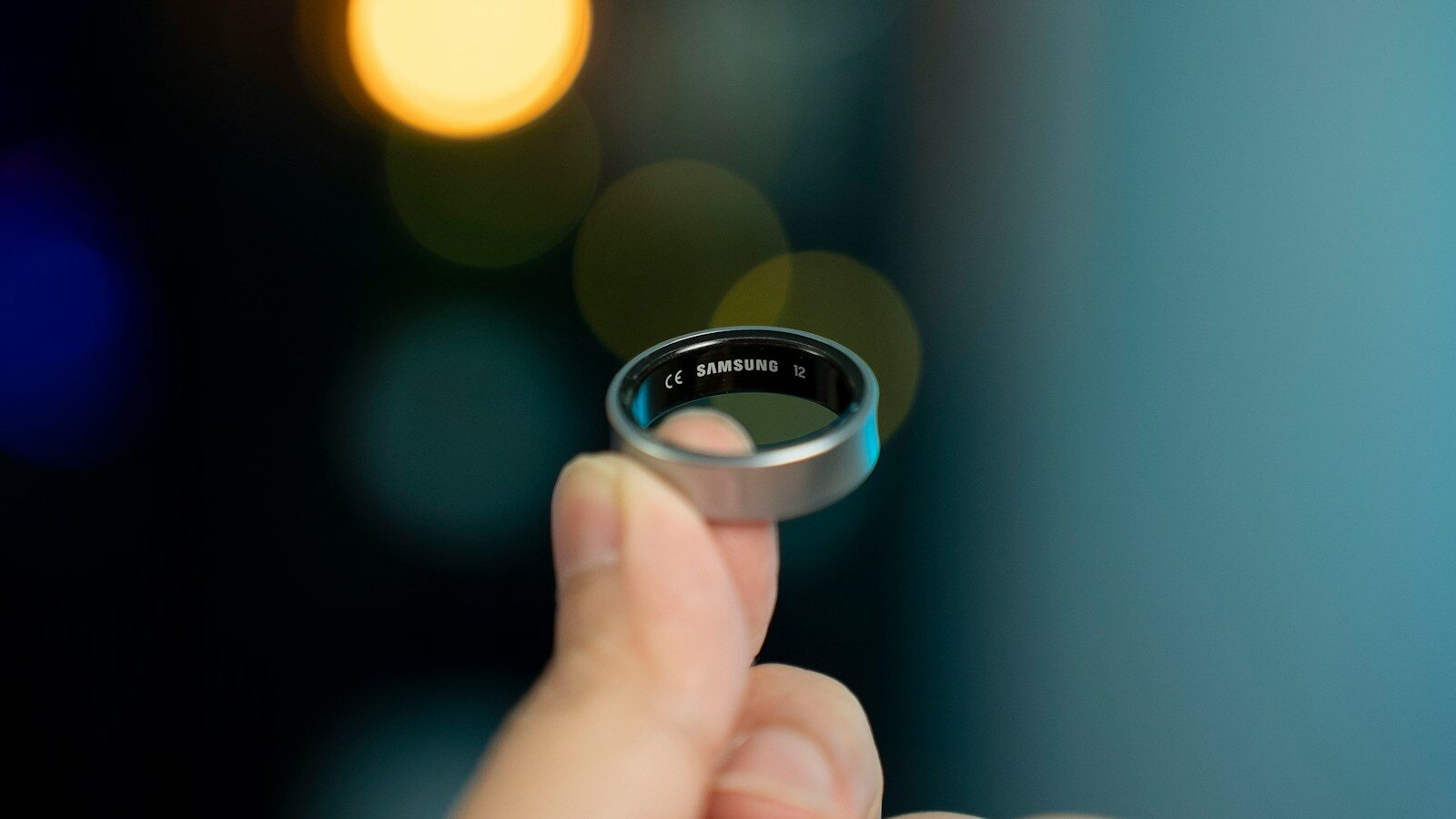
While smartwatches continue to dominate much of the market, smart rings are an interesting development for people who prefer something less conspicuous.
These compact devices contain many of the same types of sensors found in larger wearables, but package them into a ring that can be worn throughout the day and night. Depending on the model, they can monitor sleep, activity, heart rate and changes in body temperature.
Their smaller size presents some interesting engineering challenges. Manufacturers need to fit sensors, batteries and wireless connectivity into an extremely limited space while ensuring the device remains comfortable.
Battery life is another important consideration. Because smart rings generally don’t have large displays, they can often operate for several days without charging, although performance varies between products.
For users who aren’t interested in receiving constant notifications or interacting with a screen, smart rings offer an alternative way to explore wearable technology.
The Role of Artificial Intelligence
Artificial intelligence is becoming an increasingly important part of the wearable technology market. Rather than simply collecting raw measurements, newer systems are designed to interpret information and identify patterns that might otherwise be difficult to spot.
For example, an application might compare activity levels, sleep information and exercise intensity over several weeks to highlight changes in routine. Some platforms also provide personalised workout suggestions or recovery estimates based on the information collected.
This represents an interesting shift in how people interact with gadgets. Instead of having to interpret multiple graphs and statistics themselves, users can receive summaries that make the information easier to understand.
However, accuracy and transparency remain important. Wearable devices rely on estimates and algorithms, and their conclusions aren’t necessarily suitable for making medical decisions.
Privacy and the Personal Data Question
The convenience of wearable technology comes with an important consideration: personal data.
Fitness trackers and smartwatches can collect considerable amounts of information about daily routines, physical activity and sleep. Depending on the device and its connected applications, some of this information may be stored in cloud-based accounts or shared with third-party services.
Before purchasing a wearable, it’s worth looking at the manufacturer’s privacy policy and checking what information is collected, how long it is retained and whether it can be shared with other companies.
Users should also take advantage of available privacy settings, app permissions and account security features. A device might be small enough to wear unnoticed, but the information it generates can be surprisingly revealing.
What Comes Next for Wearable Gadgets?
The next generation of wearable technology is likely to focus on making devices more accurate, comfortable and useful without requiring constant interaction. Improvements in battery efficiency, sensor design and artificial intelligence could allow smaller devices to collect and interpret increasingly sophisticated information.
There is also growing interest in smart clothing, augmented reality glasses and other connected accessories that move beyond the traditional smartwatch.
For gadget lovers, wearable technology is an exciting example of how computing is becoming increasingly integrated into everyday objects. The most interesting developments may not necessarily involve bigger screens or more complicated features, but rather smaller devices that quietly perform useful tasks in the background.
Photo by Amanz.