Most people notice infrastructure only when it fails: a train delayed by tunnel flooding, a hospital wing closed because ventilation has gone wrong, a factory line paused by a fault no one can see. Yet much of modern life depends on instruments so plain-sounding that they barely register outside specialist circles. They do not draw attention with polished design or consumer cachet. They simply watch, compare and report, often in places where a small shift can turn into a larger problem.
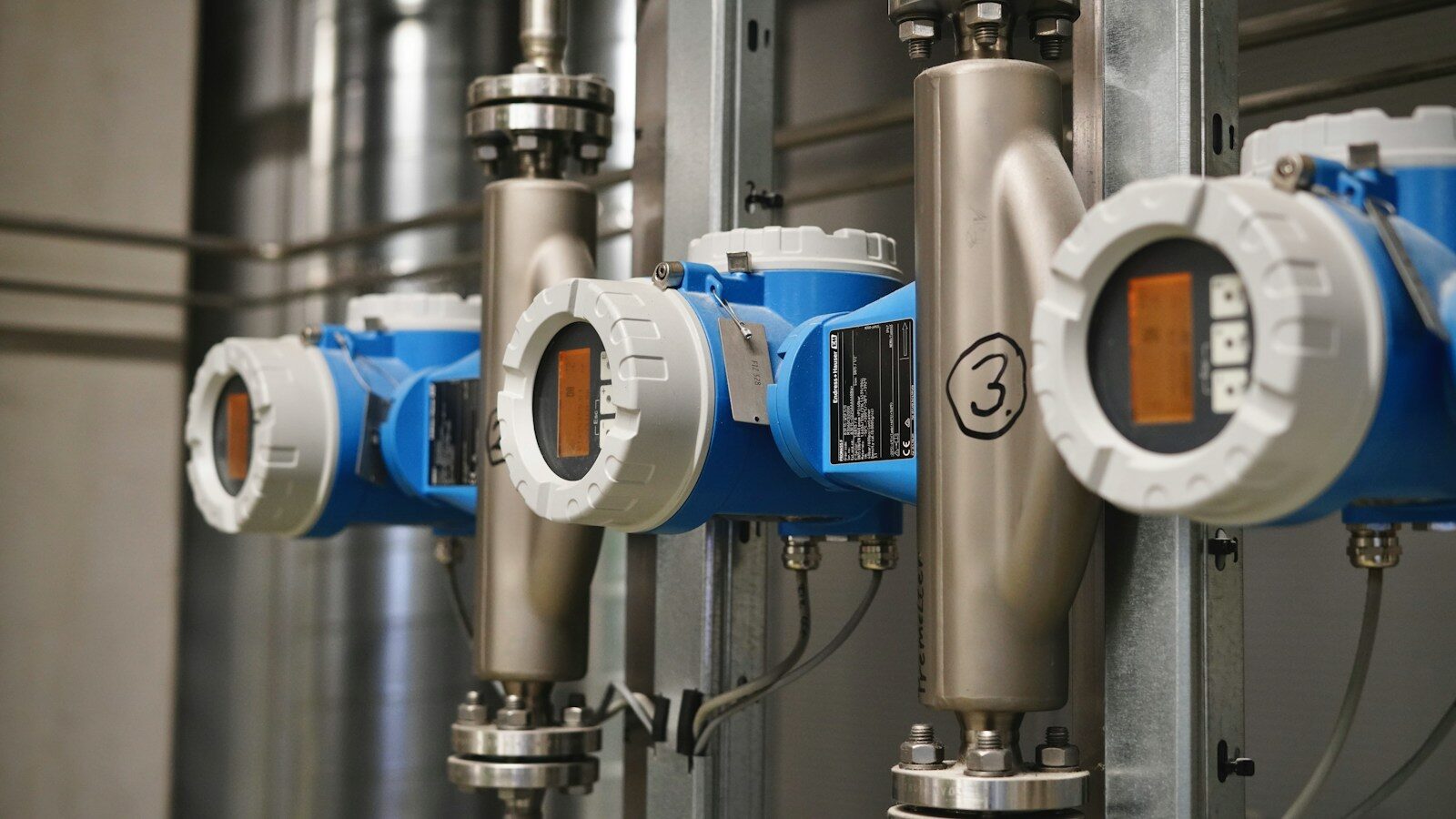
Pressure, in particular, is one of those invisible forces that shapes daily life. It affects airflow in clean rooms, filtration in water systems, and the safe movement of gases and liquids through industrial equipment. What matters is not always the absolute figure, but the difference between one point and another. That is where devices such as differential pressure transmitters matter: they help engineers spot a clogging filter, check that air is moving as intended, and see whether a sealed environment is behaving properly.
The hidden layer of reliability
There is something reassuring about technology designed mainly to stop problems before they start. It rarely makes headlines when it works, but its value shows up in continuity, safety and maintenance scheduled before anything breaks down. In that sense, the tools that matter most are often the least glamorous.
- They reduce guesswork.
- They support safer working conditions.
- They help systems run efficiently for longer.
For a general reader, the interest lies less in the component itself than in what it stands for: a world held together by careful measurement. Behind the scenes, countless decisions depend on tiny signals being read correctly. It is not romantic, but it is one reason water comes through the tap, buildings remain usable, and essential services keep running. Quiet technology deserves a little more attention.
Photo by Paréj Richárd.